


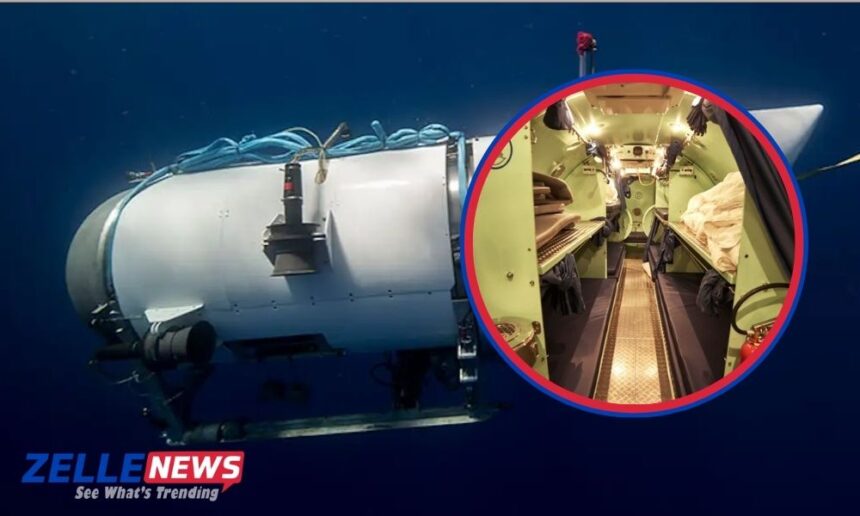
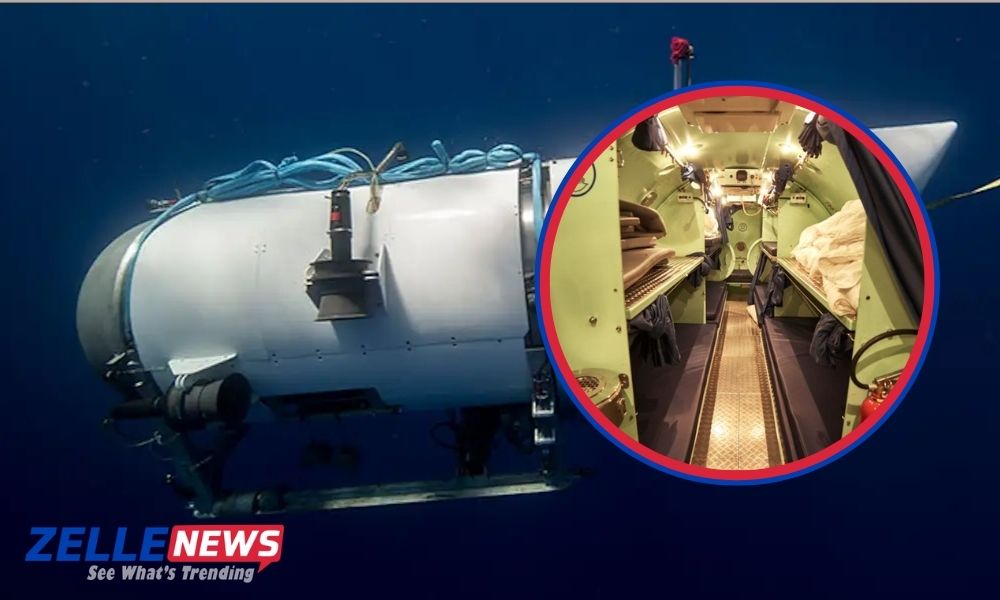
 When people search for the Bi4 Dolphin incident, they are almost always referring to the Byford Dolphin disaster, a fatal offshore accident that took place in the North Sea on November 5, 1983. The event remains one of the most infamous commercial diving tragedies ever recorded, not only because of the number of lives lost, but also because it exposed serious questions about diving safety, equipment design, and offshore working conditions.
The Byford Dolphin was a semi-submersible drilling rig operating in the Frigg gas field in the Norwegian sector of the North Sea. During a saturation diving operation, a catastrophic decompression accident occurred in the rig’s diving chamber system. The result was immediate and devastating: four divers and one dive tender were killed, while another tender survived with severe injuries. Over the decades, the incident has been studied not just as a tragic accident, but as a major lesson in industrial safety and accountability.
What Was the Bi4 Dolphin Incident?
The Bi4 Dolphin incident, more accurately known as the Byford Dolphin incident, happened during a routine transfer process between a diving bell and a pressurized chamber system. Offshore saturation divers work under extremely high pressure for long periods, living inside chambers and traveling to underwater job sites in a diving bell. This system allows them to avoid repeated decompression after each dive, but it also means their survival depends completely on the correct handling of pressure barriers, valves, doors, and clamps.
On the Byford Dolphin, the accident occurred while divers were moving between the diving bell and the chamber system. A connection in that pressurized system was opened before the sequence had been safely completed. Because the pressure inside was much higher than normal outside atmospheric pressure, the chamber system lost pressure almost instantly. This is why the event is described as an explosive decompression accident.
Where and When the Disaster Happened
The accident took place at about 4:00 a.m. on November 5, 1983, aboard the Byford Dolphin rig in the Frigg gas field. At the time, the rig was operating in one of the busiest offshore oil and gas regions in the North Sea. Saturation diving was a crucial part of offshore maintenance and underwater engineering work, but it was also one of the most dangerous occupations in the industry.
The divers involved were working in a system designed to keep them under high pressure while they completed deep underwater tasks. According to later summaries of the event, two divers had already returned in the diving bell and entered one of the pressurized chambers, while two others remained in another connected chamber. Outside, two tenders were assisting with the transfer process. It was during this procedure that the fatal mistake occurred.
How the Byford Dolphin Accident Happened
To understand the Byford Dolphin disaster, it helps to understand how the transfer system worked. The diving bell would connect to the chamber system through a pressurized trunk. Divers could then move safely from the bell into the chamber without losing pressure. Only after certain doors were sealed and the trunk was safely depressurized could the bell be disconnected. Every step had to happen in the correct order.
In the Byford Dolphin case, investigators concluded that the clamp connecting the bell to the chamber system was opened too early. It was released before the trunk had been safely depressurized and before the chamber-side door had been fully secured. That meant the system was suddenly exposed to the outside atmosphere while still under very high internal pressure.
The decompression happened instantly. The violent blast killed the four divers inside the chamber system and also struck the two tenders outside. One tender died, and the other survived with severe injuries. Because the pressure loss was immediate, there was no meaningful chance for escape or rescue once the sequence failed.
Why Explosive Decompression Was So Catastrophic
The decompression involved in the Byford Dolphin incident was far beyond what the human body could survive. A forensic paper later described the men in the chamber as being suddenly decompressed from about 9 atmospheres to 1 atmosphere. The study documented extensive internal trauma and identified major physiological effects associated with the sudden pressure loss.
This is one reason the Byford Dolphin incident is still discussed in medical and forensic literature. It was not just an industrial accident; it was an extreme hyperbaric failure that showed what can happen when pressure control is lost in saturation diving. The case became one of the clearest and most tragic demonstrations of why diving chambers require rigid procedures and built-in safety systems.
The Official Cause and the Bigger Safety Debate
The official investigation found that the immediate cause of the accident was the premature opening of the clamp. That explained the direct mechanical reason the decompression occurred. But the story did not end there. In the years that followed, critics argued that focusing only on the operator’s action ignored a bigger issue: the system should never have allowed that kind of mistake to happen in the first place.
Later accounts state that the diving system lacked important safeguards, including interlocking mechanisms and other fail-safe features that could have prevented the clamp from being opened while the trunk was still pressurized. In other words, many people came to believe that the Byford Dolphin incident was not only about human error. It was also about unsafe system design and insufficient protection against predictable mistakes.
That distinction matters because high-risk systems are supposed to be designed with human fallibility in mind. Offshore diving is too dangerous to depend only on people following every step perfectly, every time, under fatigue and pressure. Critics of the Byford Dolphin system argued that the equipment itself failed the workers long before the accident happened.
The Men Who Lost Their Lives
The victims of the Byford Dolphin disaster were identified in later summaries as divers Edwin Arthur Coward, Roy P. Lucas, Bjørn Giæver Bergersen, and Truls Hellevik. The dive tender who died was William Crammond, while Martin Saunders survived with serious injuries. These were not just names connected to a notorious incident. They were highly specialized offshore workers performing difficult and dangerous jobs in one of the harshest work environments in the world.
Remembering the human side of the story is important. The Byford Dolphin incident is often discussed because of its technical horror, but at its core it was a workplace tragedy that affected families, coworkers, and the broader offshore community. The men who died were part of an industry that depended on skill, discipline, and trust in complex life-support systems.
The Long Aftermath
The consequences of the Byford Dolphin disaster did not end in 1983. The incident remained controversial for years because many believed the original investigation did not go far enough in addressing the design and regulatory failures behind the accident. Former divers, labor advocates, and family members continued pressing for recognition that the equipment itself may have been unsafe.
According to later reporting, the families of the divers received compensation from the Norwegian government 26 years after the incident. That long delay reflected how unresolved the questions of responsibility remained. Compensation on that timeline suggested that the story had never been fully settled in the eyes of many relatives and campaigners.
The incident therefore became more than a historical accident report. It became part of a larger conversation about offshore worker protections, industrial accountability, and the need for safer engineering standards in high-pressure diving systems.
Why the Bi4 Dolphin Incident Still Matters Today
The Bi4 Dolphin incident still matters because it stands as one of the strongest warnings in offshore safety history. It shows how one failure in sequence, communication, or equipment design can turn routine operations into catastrophe when workers are inside extreme pressure environments.
It also remains important because it challenged the easy use of the phrase “human error.” In many disasters, that phrase becomes a shortcut that hides deeper failures. The Byford Dolphin case forced people to ask a harder question: if one wrong action could kill so many people so quickly, why was the system designed to permit it?
Modern offshore systems place much greater emphasis on interlocks, procedural safeguards, and fail-safe design for exactly this reason. The Byford Dolphin disaster became a grim lesson that in high-risk industries, safety must be built into the machinery and procedures, not left entirely to memory or judgment under stress.
Final Thoughts
The Bi4 Dolphin incident, properly known as the Byford Dolphin disaster, remains one of the most shocking offshore accidents ever recorded. On November 5, 1983, during a saturation diving transfer on the Byford Dolphin rig, a pressurized chamber system was exposed to outside atmospheric pressure before it was safe to do so. The result was an explosive decompression that killed five men and permanently shaped discussions of diving safety and industrial responsibility.
People still search for this disaster because it feels almost impossible to imagine. But its importance goes beyond shock. The Byford Dolphin tragedy revealed how dangerous offshore work can become when procedure, communication, and equipment safeguards fail at the same moment. Its legacy is not only the memory of a terrible accident, but also the lessons it forced the offshore world to confront.
FAQs About the Bi4 Dolphin Incident
What is the Bi4 Dolphin incident?
It refers to the Byford Dolphin incident, a 1983 explosive decompression accident on an offshore drilling rig in the North Sea.
When did the Byford Dolphin disaster happen?
It happened on November 5, 1983.
How many people died in the Byford Dolphin incident?
Five people died: four divers and one dive tender. Another tender survived with severe injuries.
What caused the Byford Dolphin accident?
The immediate cause was the premature opening of the clamp connecting the diving bell to the chamber system before it had been safely depressurized.
Why is the Byford Dolphin incident still famous?
Because it was one of the deadliest commercial diving accidents in history and raised lasting questions about equipment safety, offshore regulations, and accountability.