


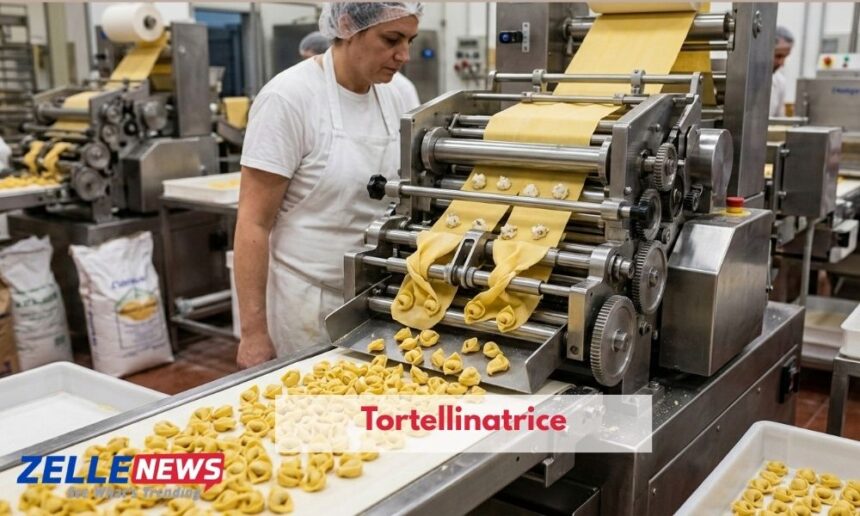
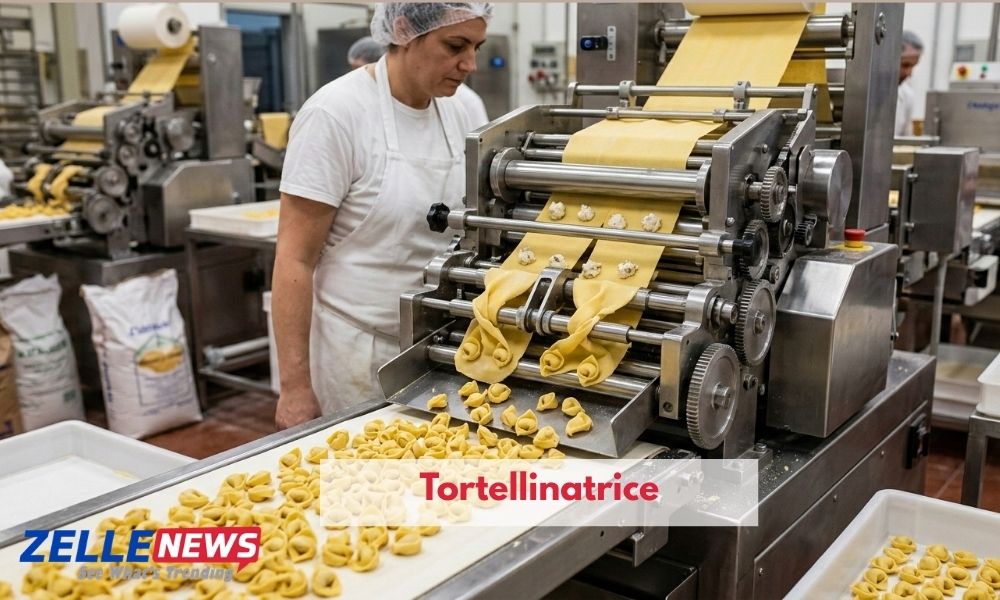
 The Tortellinatrice: Tradition Meets Technology
The Tortellinatrice is more than just a kitchen appliance—it’s a fusion of Italy’s culinary heritage and modern engineering. For centuries, making tortellini by hand has been a symbol of craftsmanship, culture, and family tradition, particularly in Emilia-Romagna. Each handmade tortellino requires careful attention: kneading the dough, rolling it thin, portioning the filling, folding, and sealing perfectly to prevent leaks during cooking.
While this artisanal process is revered, it is labor-intensive and time-consuming. Enter the Tortellinatrice—a machine that preserves the artistry of tortellini while delivering efficiency and consistency at scale. Whether for home chefs, boutique trattorias, or busy commercial kitchens, the Tortellinatrice combines tradition with precision engineering.
What Is a Tortellinatrice?
A Tortellinatrice is a specialized pasta-making machine designed specifically to craft tortellini. Its name derives from tortellini and the Italian feminine suffix -atrice, indicating a device made for a dedicated purpose. Unlike general pasta rollers or ravioli cutters, this machine is purpose-built to handle the intricate shape, folding, and sealing requirements of tortellini.
Available in manual, semi-automatic, and fully automatic models, Tortellinatrici serve a wide range of users—from home kitchens to large-scale food production facilities. Their precision ensures that each tortellino is consistently shaped, filled, and sealed, turning a painstaking craft into a smooth, replicable process.
How Does a Tortellinatrice Work?
Using a Tortellinatrice involves a multi-step process designed for control and efficiency:
-
Dough Sheeting: The machine rolls the dough to the desired thickness—critical for balance between dough and filling.
-
Filling Portioning: Dollops of meat, cheese, or vegetable fillings are evenly distributed across the sheet.
-
Folding and Sealing: The machine folds the dough over the filling and uses calibrated molds to seal each tortellino perfectly.
-
Cutting: Specialized cutters separate each piece with uniform size and clean edges.
High-end models allow customization of dough thickness, filling density, and tortellini size, ensuring precision even in high-volume production.
Types of Tortellinatrice Machines
-
Manual Models: Perfect for home cooks or small-batch producers, offering hands-on control without full manual folding.
-
Semi-Automatic Machines: Popular in culinary schools and boutique restaurants, combining automation with occasional manual adjustments.
-
Fully Automatic/Industrial Models: Designed for large-scale production, these machines offer programmable settings, high throughput, and conveyor integration.
-
Hybrid Models: Compact for home kitchens or floor-standing for commercial operations, often adaptable for other stuffed pasta like cappelletti or ravioli.
Benefits of Using a Tortellinatrice
-
Time Efficiency: Reduces hours of manual labor to minutes.
-
Consistency: Produces uniformly shaped and filled tortellini for even cooking and professional presentation.
-
Labor Savings: Frees chefs to focus on high-value tasks like sauces, garnishes, and plating.
-
Cost Efficiency: Reduces waste through precise portioning and cutting.
-
Culinary Creativity: Provides a reliable foundation to experiment with fillings, shapes, and seasonal variations.
The Tortellinatrice is not a shortcut—it is a smart investment that elevates both quality and productivity.
Who Uses a Tortellinatrice?
-
Home Chefs: Compact models bring artisanal pasta-making to domestic kitchens.
-
Restaurants and Trattorias: Maintains high-volume production without sacrificing taste or presentation.
-
Culinary Schools: Introduces students to pasta fundamentals and modern kitchen automation.
-
Artisanal Food Producers: Delivers consistent quality at scale for small pasta brands.
-
Commercial Manufacturers: Industrial models produce thousands of units per hour, perfect for frozen pasta lines, meal kits, and restaurant chains.
Choosing the Right Tortellinatrice
When selecting a machine, consider:
-
Production Volume: Manual for small batches, automatic for high-volume needs.
-
Features: Adjustable thickness, variable fill nozzles, mold compatibility.
-
Materials: Food-grade stainless steel for durability and hygiene.
-
Support & Parts: Warranty, replacement parts, and customer service availability.
-
Space & Noise: Ensure it fits your kitchen workflow without disruption.
Cleaning and Maintenance
-
Daily Cleaning: Remove leftover dough and filling immediately.
-
Weekly Inspections: Check seals, nozzles, and moving parts to prevent wear.
-
Lubrication: Apply food-grade oil to mechanical joints as needed.
-
Storage: Cover and keep in a dry, cool area.
Proper maintenance ensures longevity, hygiene, and consistent performance.
Limitations and Considerations
-
Cost: High-quality machines can be a significant investment.
-
Space: Some models require large footprints.
-
Learning Curve: Dough consistency, filling ratios, and pressure settings may require practice.
-
Filling Compatibility: Chunky or very wet fillings may clog valves.
Understanding these factors helps users maximize efficiency and performance.
Conclusion
The Tortellinatrice is a perfect example of technology enhancing tradition. It streamlines the laborious steps of rolling, filling, folding, and sealing tortellini, making fresh, artisanal pasta accessible for home cooks and chefs alike.
Investing in a Tortellinatrice isn’t just about convenience—it’s about honoring Italian culinary heritage, improving efficiency, and inspiring innovation. With proper care, this machine turns every plate of pasta into a celebration of precision, tradition, and flavor.
FAQs
1. What is a Tortellinatrice?
A Tortellinatrice is a specialized pasta machine for making tortellini, automating rolling, filling, folding, sealing, and cutting.
2. Can it be used at home?
Yes, compact models exist for domestic kitchens, while industrial units serve restaurants and large-scale production.
3. What fillings work best?
Smooth, pipeable fillings like ricotta, spinach, pumpkin, or meat blends. Chunky or wet fillings may clog the machine.
4. How do I clean and maintain it?
Remove dough and filling after each use, inspect mechanical parts weekly, use food-grade oil if needed, and store in a dry area.
5. Is it worth it for small businesses?
Absolutely. It boosts efficiency, consistency, and quality, making it ideal for startups, small pasta shops, and catering businesses.